The short answer
The climate figures point to late spring and early autumn. Based on the 1991 to 2020 averages from IPMA, the Portuguese weather service, June is warm and fairly dry, and September is warm as well. July and August are the hottest months. November to February bring the most rain. This is our reading of the averages, not an official recommendation.
Your own priorities decide the rest. If you want the city's big festival, plan for the second week of June. If you want the lowest chance of heat, avoid August. If you want quiet streets and do not mind a rain jacket, winter is possible, as the section on Lisbon in winter explains.
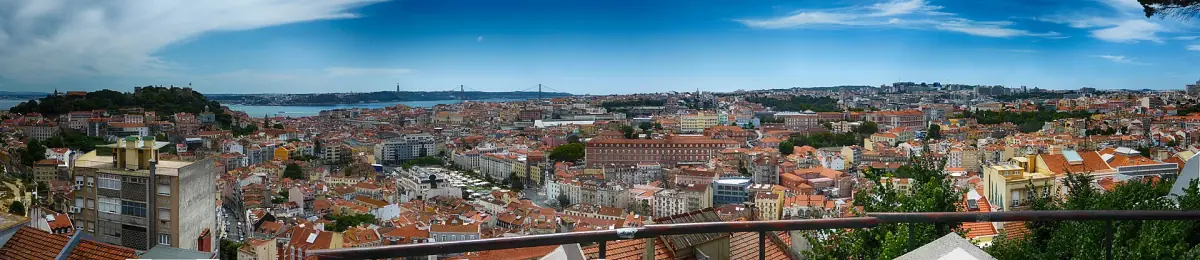
Lisbon weather by month
Climate normals 1991 to 2020 from IPMA, station Lisboa Geofísico.
| Month | Average daily high | Rainfall | What it means |
|---|---|---|---|
| January | 15.1 °C | 103.8 mm | Mild and wet |
| April | 20.4 °C | – | Comfortable for walking |
| June | 26.1 °C | 14.1 mm | Warm and fairly dry; Santo António |
| July | 28.2 °C | 2.6 mm | Hot and dry |
| August | 28.8 °C | 5.4 mm | The hottest month |
| September | 26.6 °C | – | Still warm |
| October | 22.8 °C | 110.6 mm | Mild, but rain returns |
| November | 18.1 °C | 133.9 mm | The wettest month |
| December | 15.4 °C | 108.5 mm | Mild and wet |
We quote the months for which we have verified IPMA figures. February, March and May are not listed, so we do not give numbers for them. Frost is practically unknown in Lisbon: the station records no days below 0 °C.
Lisbon tours for every season
Walking tours, river cruises, day trips and fado evenings that work in sun or rain, with live prices and availability.
Season by season
What to plan in each part of the year.
Spring: April to June
April averages a high of 20.4 °C and June 26.1 °C. June has only 14.1 mm of rain on average. Our reading of the averages is that May and June are mild and dry. For May, check the forecast shortly before you travel. Santo António falls in June, which brings crowds and noise.
Summer: July and August
July and August are the driest months, with 2.6 mm and 5.4 mm, but also the hottest. Start early, rest in the afternoon and keep the castle and the viewpoints for the evening. The castle is open until 21:00 from March to October.
Autumn: September and October
September averages 26.6 °C and October 22.8 °C. October is mild but already gets 110.6 mm of rain on average, about as much as January. Pack a light rain jacket.
Winter: November to February
November is the wettest month with 133.9 mm. December and January are close behind and average 15.4 °C and 15.1 °C. Details in the winter section below.
Santo António and the Festas de Lisboa in June
The Festas de Lisboa ran from 29 May to 28 June in 2026. The high point is the night of 12 June, when the Marchas Populares parade down the Avenida da Liberdade. In 2026, 20 marchas took part. On 13 June the city celebrates Santo António, which is a municipal holiday. In 2026 it was a Saturday, in 2027 it is a Sunday.
During the festival, street parties called arraiais take place in Alfama, Graça, Mouraria, Bica and other districts. The streets are lively and loud. Book accommodation early and, if you want to sleep, avoid a room above the party streets.
Note that the Jerónimos Monastery and Belém Tower are closed on 13 June. The programme for 2027 has not been published yet. A secondary source puts the dates at 12 and 13 June 2027. See Alfama for the district that celebrates hardest.
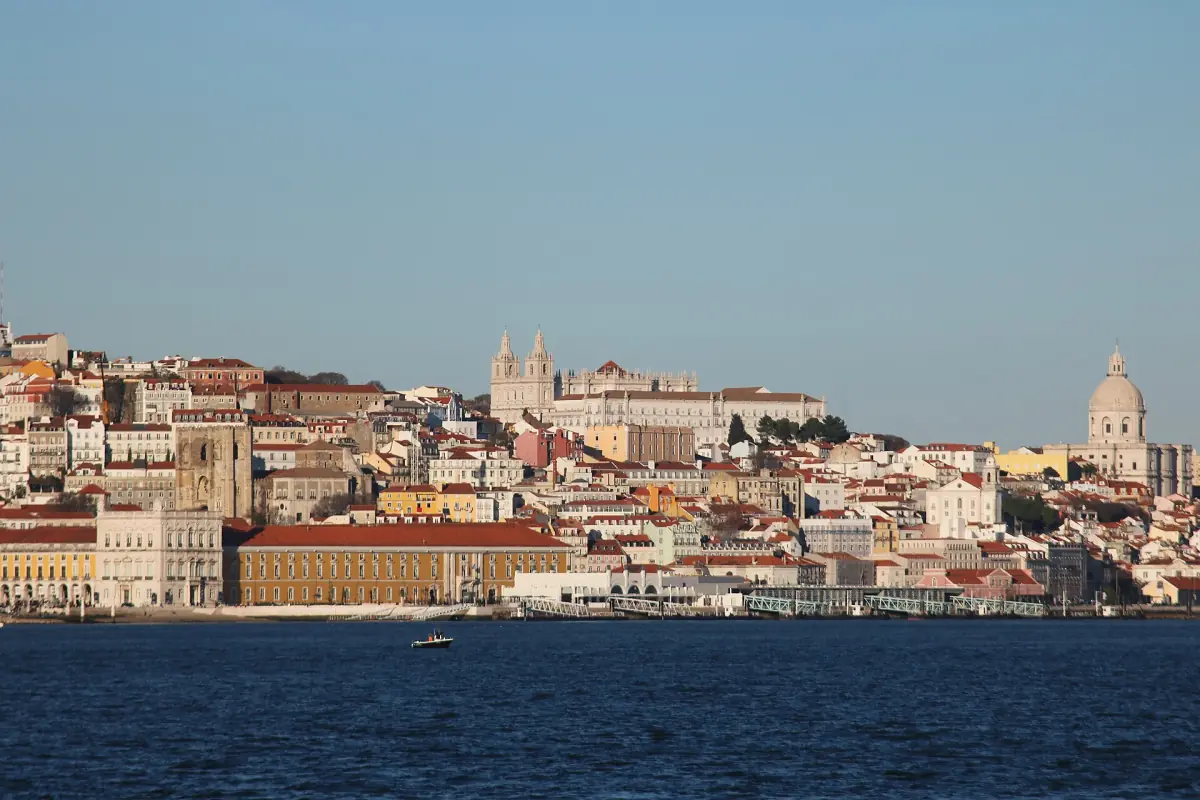
Heat in August
The month to plan around.
August has an average high of 28.8 °C. On average there are 10.2 days a month with 30 °C or more, and 1.8 days with 35 °C or more. The record is 43.3 °C, measured on 4 August 2018. In 2026, mainland Portugal had a record of nine heat waves, with 98 days under heat wave status, the highest figure since 1942. That figure covers the mainland, not Lisbon alone. IPMA also classed August 2026 as very rainy for the mainland, which shows that a single month can differ widely from the average.
In practice, shade, water and a siesta pace help. The hilly districts such as Alfama and Graça are hard in midday heat. Visit them early.
November: the wettest month
Rain is likely, but the days are still mild.
November averages 133.9 mm of rain, more than any other month, and the average high is 18.1 °C. If you travel then, expect showers and plan indoor stops: the Lisboa Card works well in bad weather, since it covers more than 50 sights and public transport. Several state museums are temporarily closed, among them the azulejo museum and the national museum of ancient art, so check before you go.
Lisbon in winter
Mild days, regular rain and shorter opening hours.
Lisbon in winter is mild rather than cold. The average high is 15.4 °C in December and 15.1 °C in January, and the station records no frost. The price is rain: December averages 108.5 mm and January 103.8 mm. For February, check the forecast shortly before you travel.
Shorter days
The Castelo de São Jorge is open from 9:00 to 18:00 from 1 November to the end of February (last entry 17:30). The Padrão dos Descobrimentos is open from 10:00 to 18:00 from October to February.
Holiday closures
Jerónimos and Belém Tower are closed on 1 January and 25 December. The castle and the Padrão are closed on 1 January, 24, 25 and 31 December. The Oceanário opens at 11:00 on 25 December and 1 January.
Rainy-day stops
The Oceanário is open daily and takes about 1.5 to 2 hours, from €25.50 to €29.90 for adults depending on the time. The Museu do Fado costs €5 and is free with the Lisboa Card.
The historic funiculars and the Santa Justa lift are closed in every season in 2026. Wet stone makes the steep streets slippery, so allow extra time. For ideas that work in rain, see things to do in Lisbon, and for a day plan the 3-day itinerary.
Best time to visit Lisbon: frequently asked questions
What is the best month to visit Lisbon?
The averages point to late spring and early autumn: June has an average high of 26.1 °C and 14.1 mm of rain, and September averages 26.6 °C. Pick June if you want the festival and September if you prefer fewer festival crowds. This is our reading of the IPMA data.
How hot does Lisbon get in August?
The average high is 28.8 °C, with about 10 days at 30 °C or more and about 2 days at 35 °C or more. The record is 43.3 °C on 4 August 2018.
Which month is the wettest?
November, with 133.9 mm on average. October, December and January each get more than 100 mm.
When is Santo António?
The city holiday is 13 June, with the parade on the night of 12 June on the Avenida da Liberdade. Jerónimos and Belém Tower are closed on 13 June. The 2027 programme has not been published yet.
Is Lisbon worth visiting in winter?
Yes, if you accept rain. Highs are around 15 °C, there is no frost and the main sights are open. Hours are shorter, so the castle closes at 18:00 from November.